Culture
Why Silver Is Still the Default Indian Gift
· 6 min read
Dhanteras, weddings, first birthdays, new houses. A short history of why the metal carries the occasion.
Ask why silver, and most families will tell you it is auspicious and leave it there. The longer answer is more interesting and explains why the habit has survived migration.
Silver is the metal of the moon in Indian tradition, associated with coolness, calm and receptivity where gold is solar and assertive. That symbolism attaches it to occasions of beginning rather than achievement: a first birthday, a new house, a marriage, the start of a financial year at Dhanteras.
Underneath the symbolism is economics. Silver was, for most of Indian history, the store of value a household could actually afford to hold. Gold was for the wealthy and for the temple; silver was for everyone else, convertible in any bazaar in any town. Gifting it was a transfer of real, liquid wealth disguised as a courtesy — and the disguise mattered, because it let families give substantially without embarrassing the recipient.
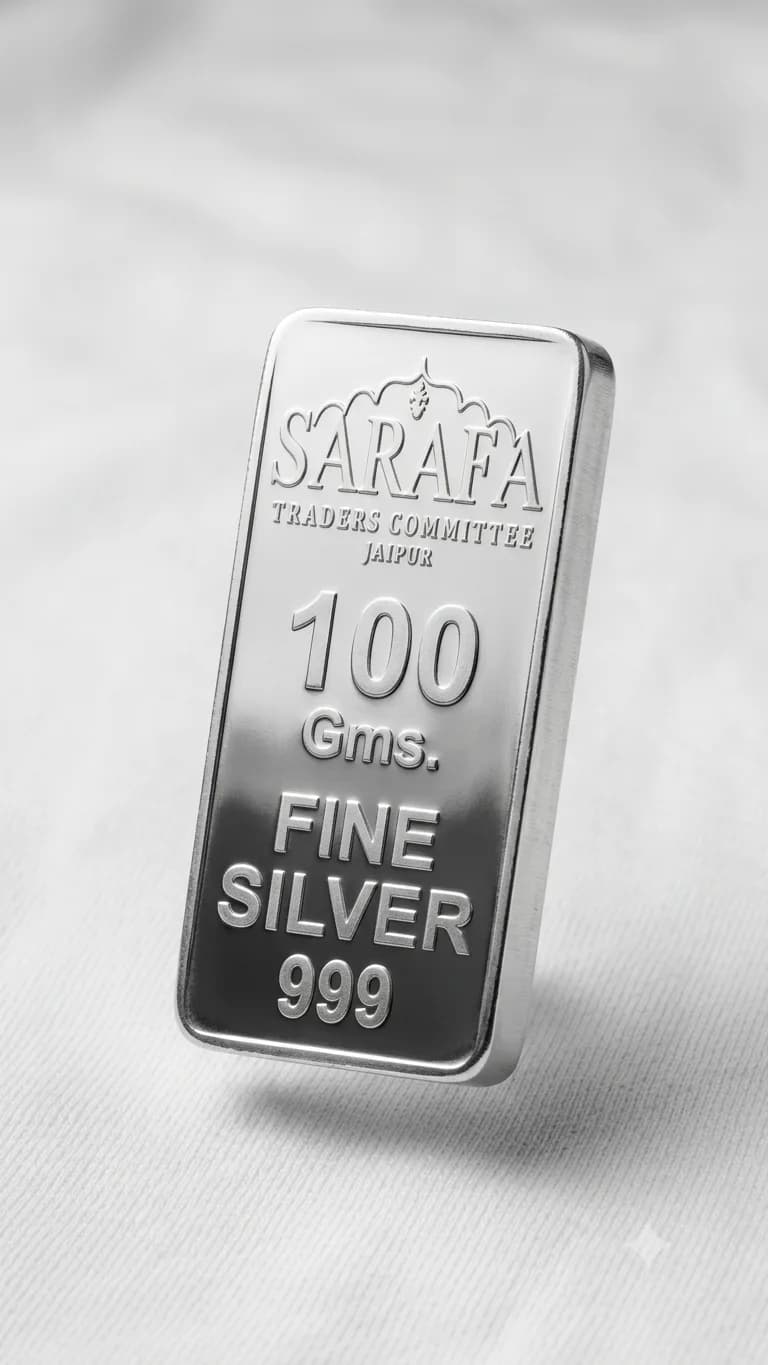
That is why the objects took the forms they did. A silver tumbler, a bowl, a coin, a small idol: useful things that were also savings, and that could be melted in a bad year without anyone having to say so.
The habit outlived the necessity. Most people sending a silver piece to a nephew in Toronto are not thinking about liquidity. But the reason the gesture still reads as significant, rather than merely decorative, is that for a very long time it was significant in the most literal sense.
Questions about a piece?
Message the workshop and someone who has held it will reply, usually the same day.